Sony UHD Blu-ray Player Market Exit: What It Means for 4K Movie Fans
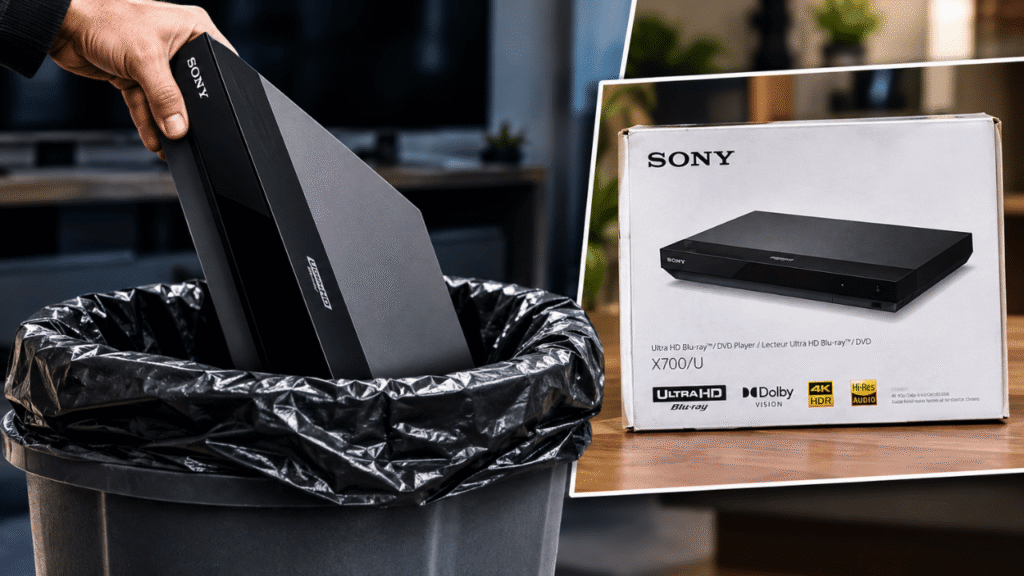
Sony UHD Blu-ray player market exit
The Sony UHD Blu-ray Player Market Exit raises concerns for movie collectors and home theater enthusiasts who prefer owning physical 4K movies over relying on streaming services. Users want to know whether Sony is discontinuing its UHD Blu-ray players, how the reported market exit could affect player availability and prices, and whether existing devices will continue working normally. For buyers planning to upgrade their home theater setup, the key questions are whether they should purchase a Sony 4K Blu-ray player now, consider alternatives from other brands, or continue investing in physical movie collections.
What Does Sony’s Reported Exit Mean?
Sony’s reported pullout from the Ultra HD Blu-ray player market raises worries about the long-term prospects of specialised 4K disc players and the availability of physical movie material. The finding could have implications for home theatre buffs, collectors and customers deciding whether to splurge on a dedicated disc player.
But one key thing stands out: a reported departure from a certain hardware market doesn’t automatically mean Sony is doing rid of all Blu-ray-related devices, that Ultra HD Blu-ray is over, or that current discs will no longer work.
We need to be careful not to take the specifics as established fact until the reported decision by Sony is confirmed, including the precise scope, when it will take effect and any formal statement.
Why Ultra HD Blu-ray Still Matters
Ultra HD Blu-ray (aka 4K Blu-ray) is a physical format for delivering high-resolution movies on compatible devices and discs. It’s still an alternative to watching movies on subscription streaming services or digital buys.
One of the key reasons it’s popular is that it can provide high-quality video and audio from a physical source. Depending on the disc, player, television and audio system, viewers can experience 4K resolution, high dynamic range (HDR) and sophisticated surround-sound formats.
Streaming services are also capable of 4K and HDR, although the quality may vary based on the provider, the content, the membership tier, the internet connection, the device, and the compression.
If you have a decent home theatre system, physical media can give a more reliable playing experience without requiring you to be constantly connected to the internet. Moreover, a disc offers the collector a physical copy of a film, rather than access based on the license of a digital platform.
These perks go a long way towards explaining why some consumers still buy physical movies, albeit streaming is more convenient.
How Streaming Is Changing the Market
The broader home entertainment sector has moved to on-demand viewing. Streaming services allow viewers to access huge catalogues without buying individual discs or having to house physical collections.
That convenience can make standalone disc players less appealing, particularly for casual viewers who rely mainly on smart TVs and streaming gadgets to watch movies.
Dedicated hardware also presents other considerations. Consumers have to buy a player and the right discs, find room for their collections and ensure their equipment can cope with the picture and sound formats they want.
Streaming removes a lot of that friction. Regular watching should require a compatible television and internet connection.
But the two formats serve different priorities. Streaming is about ease and access, while physical media appeals to those who value ownership, collecting, consistency of playback and the technical qualities of disc-based movies.
So if there is any change at Sony it might be in hardware strategy, not that consumer interest in physical media has faded.
What Sony’s Reported Move Means For Buyers
The practical implications depend on whether the claimed move is about new manufacture, sales in specific markets, product development or a wider discontinuance of the company’s UHD Blu-ray players.
Consumers would face distinct ramifications for such outcomes.
| Possible development | What it could mean |
|---|---|
| Production ends | New-player supply could become more limited over time. |
| Retail sales continue while stocks last | Buyers may still find existing inventory, although availability could vary. |
| Service and support continue | Owners may retain access to support under the applicable terms. |
| A broader product withdrawal occurs | Consumers may need to consider alternatives from other manufacturers. |
These are potential scenarios, not confirmed information of Sony’s reported decision.
If you are thinking about buying one, make sure you verify that the model you want is available, the warranty, repair options and if it will be compatible with your existing home theatre equipment. Buying soon on an unconfirmed market-exit report could lead to an imprudent purchase.
If a manufacturer departs a market, this does not mean the end of existing players. The usable life depends on the condition of the hardware, software, firmware requirements, availability of suitable discs and replacement parts.
Is the Ultra HD Blu-ray Format Dying?
Sony’s reported pullout alone wouldn’t prove Ultra HD Blu-ray is nearing its end.
The fate of a format is not decided by the hardware choices of a single manufacturer. The commercial success of the ecosystem relies on disc publishers, movie studios, merchants, other console makers, collectors, and demand for physical releases.
And even if fewer new players enter the market, old devices and discs can still provide value for years. Physical media does not require a subscription to continue to play, although hardware breakdown and the restrictions of repairs can eventually affect access.
The longer term, more crucial question is whether there is enough market demand to support new players, disc production, distribution and a consistent stream of releases.
And when the hardware choices narrow, purchasers may have fewer options in terms of fixing a malfunctioning gadget or installing a new home theatre. Even if the format itself remained, that would be a major challenge.
In contrast, ongoing demand from collectors and home theatre enthusiasts could keep a smaller niche alive, rather than lead to ultimate extinction.
Physical Media and Streaming
So should you buy a 4K Blu-ray or stream it? It is contingent upon how people view movies and what they value most.
Physical CDs can provide high quality playback, offline access and a collection that is not tied to the ever-changing catalogue of a streaming subscription. But they demand dedicated gear and the upfront cost each movie.
Streaming is easy to access on compatible devices, convenient and has huge catalogues. Limitations include changing visual quality, dependence on the Internet, updates to the catalogue and limitations on how you can access digital purchases.
Neither format is always better. For the casual watcher, streaming may be the most practical alternative. If you care about picture and sound quality, collectable releases, or long-term access to certain films, a physical collection can still be useful.
This decision is more meaningful to consumers who want a dedicated player and anticipate to use it for years, especially with the reported Sony development.
What Comes Next?
The key points to be confirmed are whether Sony has formally confirmed the alleged pullout, what products and locations are impacted, whether manufacturing or sales are being halted and what the business plans to do for existing customers.
Until those facts are verified, it would be premature to assume that all Sony UHD Blu-ray players are discontinued, or that the entire physical 4K movie business is in decline because of this one move.
Rather than thinking a report means a product is immediately no longer available, buyers should go to official product announcements, current merchant listings, and relevant support material for availability.
For the broader business, the development underscores a nagging question: can a niche physical-media market survive while entertainment consumption increasingly gravitates towards streaming?
Sony’s stated move may be a major indicator of changing hardware priorities, but the long-term viability of the format will also depend on decisions made by other manufacturers, studios, retailers and customers.
Sources
Disclaimer: Lack of live web research prevents independent verification of the precise report behind the supplied headline. As such, the article considers Sony’s exit a reported development, and does not describe the scope or timing of any discontinuation as confirmed.
Check with Sony’s official statements and product information, plus independent reporting from respected technical journals, for publishing.
Read More: PHP Patches Two Critical AI-Discovered Security Flaws That Could Allow Remote Code Execution