China’s Fifth Plenum to Focus on Party Discipline and Stronger Governance
China political news
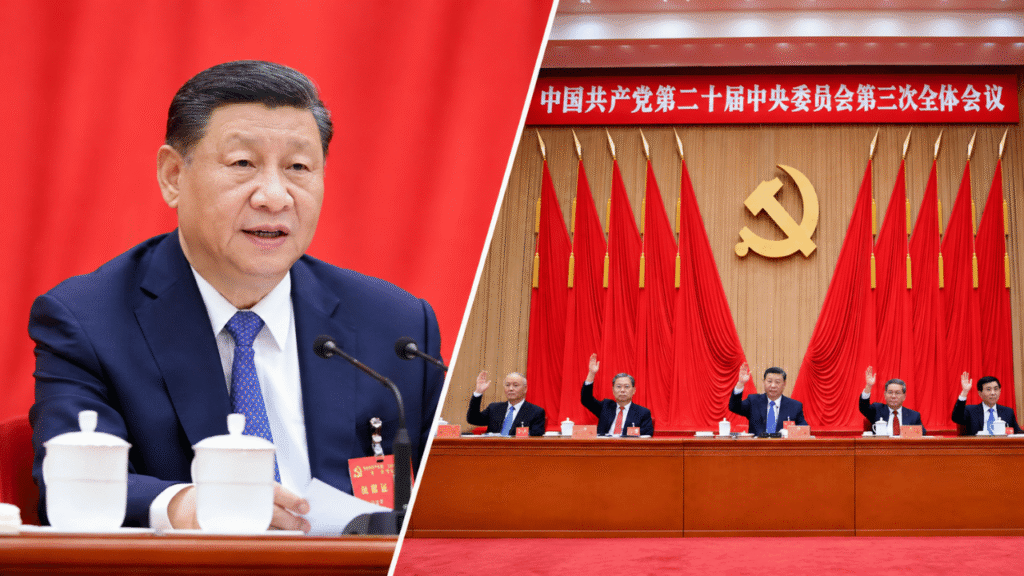
China’s Fifth Plenum is drawing attention to the Chinese Communist Party’s approach to internal discipline, political oversight, and governance. The meeting comes amid continued efforts by the party leadership to reinforce organizational control and align government institutions with national priorities.
A plenum is a full meeting of a Communist Party Central Committee. These gatherings can provide important signals about leadership priorities, policy direction, and the party’s approach to governing the country.
The specific agenda and decisions of this Fifth Plenum should be confirmed through official announcements. However, party discipline and stronger governance are important themes in understanding how China’s political system operates and how leadership decisions are implemented.
What Is China’s Fifth Plenum?
The Chinese Communist Party’s Central Committee holds plenary meetings during its term to discuss major political and policy matters.
A Fifth Plenum refers to the fifth plenary meeting of a particular Central Committee. Its significance depends on the committee’s term, the agenda, and the decisions announced.
These meetings can address economic planning, party organization, national development, and governance. Their conclusions may influence the priorities of government departments and local authorities.
It is important to distinguish between the expected focus of a meeting and its confirmed outcomes. Policy announcements should be attributed to official statements once they are published.
Why Is Party Discipline a Priority?
Party discipline is central to the Chinese Communist Party’s system of leadership. It includes expectations governing members’ conduct, adherence to party decisions, and compliance with internal rules.
The party leadership has repeatedly emphasized discipline as a way to maintain organizational unity and enforce accountability. Disciplinary inspections and anti-corruption investigations are among the mechanisms used to oversee officials.
Supporters of strict enforcement argue that it can discourage misconduct and improve administrative compliance. Critics, however, have raised concerns about political control, transparency, and the potential use of disciplinary processes in internal power struggles.
Understanding the issue requires considering both the party’s stated objectives and the broader political structure in which disciplinary measures operate.
How Stronger Governance Could Affect China
Stronger governance can refer to several priorities, including tighter supervision of officials, improved policy implementation, more consistent enforcement of regulations, and closer coordination between central and local authorities.
The effects depend on how these priorities are implemented.
Greater Oversight of Officials
More intensive oversight can increase pressure on officials to follow central directives and comply with party rules. Disciplinary institutions may investigate suspected misconduct and impose consequences under applicable procedures.
The effectiveness of these measures depends on enforcement, transparency, and the consistency with which rules are applied.
Closer Coordination Between Central and Local Government
China’s central leadership sets national priorities, while provincial and local authorities play a major role in implementation.
Governance initiatives can seek to reduce gaps between central policy objectives and local execution. Tighter coordination may improve consistency, although excessive administrative controls can also create delays or discourage officials from taking initiative.
Stronger Policy Enforcement
The party can use governance mechanisms to ensure that officials follow decisions on economic development, public administration, national security, and other priorities.
The practical impact depends on the policies involved and how they affect businesses, communities, and government institutions.
What Does the Plenum Mean for Xi Jinping?
Xi Jinping has placed party leadership, discipline, and centralized authority at the center of China’s political system.
Plenary meetings can provide opportunities for the leadership to reinforce existing priorities or announce new policy directions. The significance of a particular meeting depends on its official decisions, personnel announcements, and policy documents.
It would be premature, however, to assume that the Fifth Plenum will produce specific personnel changes or new disciplinary measures without verified information.
The clearest indication of the leadership’s intentions will come from the meeting’s official communiqué and subsequent policy announcements.
Could the Meeting Affect China’s Economy?
Political governance and economic management are closely connected in China. Government agencies and local officials are responsible for implementing policies affecting investment, industrial development, regulation, and public spending.
A stronger emphasis on discipline could influence how officials approach these responsibilities. It might reinforce compliance with central priorities, but it could also affect local decision-making if officials become more cautious about taking risks.
The economic consequences would depend on the measures adopted and whether the meeting introduces changes to investment policy, business regulation, or development targets.
Without confirmed economic policy announcements, the plenum’s broader governance focus should not be treated as evidence of a specific market or growth outcome.
What Should Observers Watch For?
The most useful indicators will be the official communiqué, any published policy documents, personnel announcements, and follow-up guidance issued by party and government bodies.
Observers should look for concrete decisions rather than relying only on broad language about discipline or governance.
Important questions include whether the meeting announces changes to oversight mechanisms, clarifies enforcement priorities, introduces new governance rules, or links party discipline to economic and administrative objectives.
These details will help establish whether the meeting represents continuity with existing policy or a meaningful change in direction.
The Bottom Line
China’s Fifth Plenum places attention on the Communist Party’s approach to discipline and governance. These issues matter because party rules and central policy decisions influence how officials operate across China’s political and administrative system.
The meeting’s actual significance will depend on its confirmed decisions, not simply its expected themes. Official statements will be essential for determining whether it introduces new measures or reinforces existing priorities.
Sources
- Communist Party of China — Official Website
- State Council of the People’s Republic of China
- Xinhua News Agency
- Reuters — China News
Read More: Social Security 2027 COLA Update: What Retirees Need to Know About Benefit Changes