NBA 2K Lawsuit Forces 2K to Explain Why Players Can’t Transfer Virtual Currency
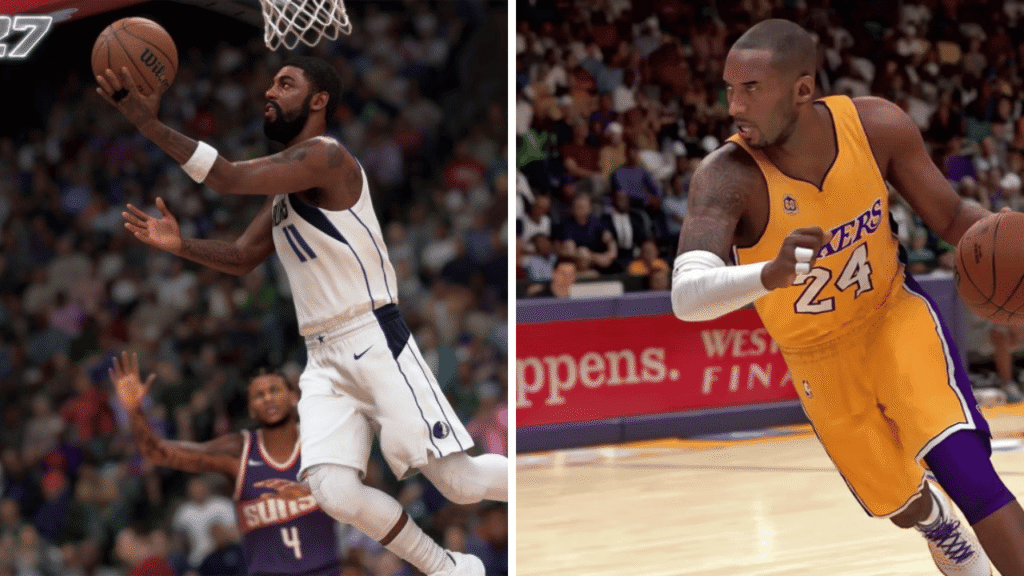
NBA 2K Players
What rights do gamers have when they pay real money to get virtual currency? The NBA 2K case reveals a huge problem in digital gaming.
The 2K dispute has put the spotlight on the world of NBA 2K Virtual Currency (VC) and digital goods limits. Players can buy VC and spend it on a number of things in-game, but normally they can’t think of it as a fungible currency that can be moved freely between accounts, or sold to other players.
There’s more than one basketball team involved in the legal matter. It raises bigger issues about digital ownership, consumer rights and the contracts that control what we purchase in modern videogames
What is the NBA 2K lawsuit?
NBA 2K has integrated a significant VC economy into the game. You can earn VC by playing games, or you can buy it with real money. VC can be used to upgrade players, level up MyPLAYER and other digital things depending on the version and features given.
The lawsuit has demonstrated what happens when a gamer acquires these virtual items.
Does the acquisition of digital currency come with a traditional property right, or just a qualified right to use the currency subject to the contractual limits set on it by 2K?
According to the headlines about the court dispute, 2K has said gamers do not own virtual items completely only because they buy them.
That’s a huge distinction, because a player can buy with real money yet does not have the same legal rights as if they bought a genuine goods.
Why can’t NBA 2K VC be transferred between players?
That is clearly one of the main concerns the case raises. If the gamers are paying the VC why not utilise it free?
The answer, it seems, is in the architecture of virtual economies.
The NBA 2K world is a closed system with VC. It is not free money, but it is part of the game’s laws and is related to player accounts.
These transfer constraints may also provide a practical benefit for the publishers. The introduction of freely transferable virtual money might cause new difficulties such as account theft, unauthorised transactions, fraud, automated farming and illegal resale marketplaces.
| Issue | Why it matters |
|---|---|
| Account connection | VC is associated with a player’s account |
| Platform rules | Console and platform systems can affect digital purchases |
| Terms of service | Players agree to rules governing digital content |
| Fraud prevention | Restrictions can help limit unauthorized transactions |
| Game economy | 2K can control the supply and use of VC |
| Resale markets | Restrictions limit unofficial trading of virtual currency |
These reasons are why publishers often limit virtual currencies. They themselves do not determine the legal fate of the lawsuit.
2K’s Case for Virtual Ownership
The core issue of the quarrel is the use and ownership of a digital object as property.
As discussed in connection with the litigation, 2K has claimed that users do not simply obtain traditional property rights in some virtual items by acquiring them.
The player’s rights are instead subject to the applicable agreements and licenses.
This could suggest that buying VC doesn’t automatically mean a player can transfer it, resell it, cash it out, or move it out of the game’s ecosystem.
That’s an increasingly common discrepancy in online gaming.
The underlying virtual world is owned by the publisher, and a player can buy a digital asset with real money.
What “No Ownership” Means for NBA 2K Players
Ownership is important because people infer instinctively that paying means owning.
When you purchase a physical product, you generally own that product. There are various ways to make digital transactions.
A game publisher can license the software for use, but they don’t give up ownership of the product. There could be more limitations to virtual currencies and digital items.
| Physical product | NBA 2K digital item |
|---|---|
| Consumer possesses a physical object | Player accesses a digital asset |
| Product exists independently | Digital item depends on the game’s ecosystem |
| Resale may generally be possible | Resale can be restricted by contractual terms |
| No online server may be required | Online services can be essential |
| Ownership is generally easier to identify | Rights depend on agreements and applicable law |
The complaint raises a more general consumer question: How should the law regard the digital things that people buy but can’t control?
Why VC Matters So Much In NBA 2K
NBA 2K’s advancement systems are built around Virtual Currency.
Players may spend VC on a ton of things that enhance their virtual basketball experience, especially in the form of MyCAREER and MyPLAYER.
This is what makes VC commercially relevant.
Buying VC can cost players real money. It is part of a restricted digital economy for 2K.
If VC could be freely moved between users, an unofficial market would form around the currency. Players could trade or sell VC outside of the publisher’s own systems.
Such a market could raise more issues about fraud, stolen accounts, unauthorised payments, and other abuses.
Can You Transfer NBA 2K VC From Game To Game?
Another big question is if VC accompanies players when they switch NBA 2K editions.
NBA 2K is an annual franchise, meaning players are always switching between versions.
But digital belongings aren’t always a natural extension of the owner in the way physical goods are.
These regulations can be different based on the game edition, account and platform.
Therefore, players should examine the official guidelines for their specific NBA 2K version, rather than assuming that all paid digital content will always be available..
| Question | What players should check |
|---|---|
| Can VC move to another NBA 2K edition? | Official transfer rules |
| Can VC be sent to another account? | Account restrictions |
| Can VC be sold? | Current terms of service |
| Does VC work across platforms? | Platform and cross-progression rules |
| What happens to unused VC? | Current purchase and account policies |
Can players sell NBA 2K currency online?
The suit also raises a possible secondary market question.
If players could possess VC like they own actual property, they could expect to be able to sell or transfer it.
However, virtual currency is typically designed to remain within the publisher’s ecosystem.
If you let people resell with no restrictions it could disrupt the economic dynamics of the game. Players might purchase currency from other users, rather than established channels.
That could pose problems for consumers and publishers.
Thus, games played online typically limit the transfer and resale of virtual cash.
The key legal question is whether the particular contractual limits a publisher is enforcing are permissible and enforceable in the dispute’s jurisdiction.
The Larger Digital Ownership Dialogue
The NBA 2K case is just one element of a wider discourse about digital ownership happening right now.
Today’s games can have very large quantities of bought material – such as currencies, cosmetics, downloadables, characters and progression.
But these digital resources can be subject to the player’s account, the publisher’s servers, the policies of the platform and the game’s terms.
This results in a large disconnect between legal ownership and value of digital.
It is not necessarily the case that a player who values an object has unfettered property rights over it.
That difference is growing more crucial as publishers become more dependent on digital economies.
What the Lawsuit Means for Gaming
The resolution of the NBA 2K dispute may be widely monitored because comparable issues are present across the game industry.
Many big games now include virtual currencies. Players routinely pay real money for digital products that aren’t always transferable, resellable or convertible to cash.
So the case could help shape the wider conversation about how publishers describe digital sales and what rights consumers obtain.
It also sheds light on why players need to check out the terms of virtual purchases rather than just assuming that paying for a digital product means they own it free and clear.
NBA 2K Lawsuit: All You Need to Know
| Topic | What it means |
|---|---|
| NBA 2K VC | Virtual currency used within the NBA 2K ecosystem |
| Player purchases | VC can be acquired using real money |
| Transferability | Subject to NBA 2K’s account and platform rules |
| Ownership | Purchasing an item does not automatically establish unrestricted property rights |
| Resale | Virtual currency is generally subject to restrictions |
| Legal dispute | Raises questions about digital purchases and consumer rights |
| Broader impact | Could contribute to the wider debate over digital ownership |
Final thought
The NBA 2K case has reignited a debate that affects the gaming industry as a whole: When you buy a virtual item, do you own it or do you only get a limited license to use it?
For NBA 2K players VC is worth real money since you can buy VC with real money. But it does not automatically convert it into a cash or physical asset that can be freely bought and sold.
The battle highlights the growing necessity of precise laws regarding digital buying. As virtual economies within games continue to inflate, ownership, transferability and consumer rights will very sure continue to be part of the conversation around modern gaming.
Read More: Pokémon 30th Anniversary Fever Hits Norfolk as Fans Line Up for Latest Collectibles






1 thought on “NBA 2K Lawsuit Forces 2K to Explain Why Players Can’t Transfer Virtual Currency”