Benjamin Netanyahu Faces High-Stakes General Election as Israel’s Political Future Hangs in the Balance
Israeli government
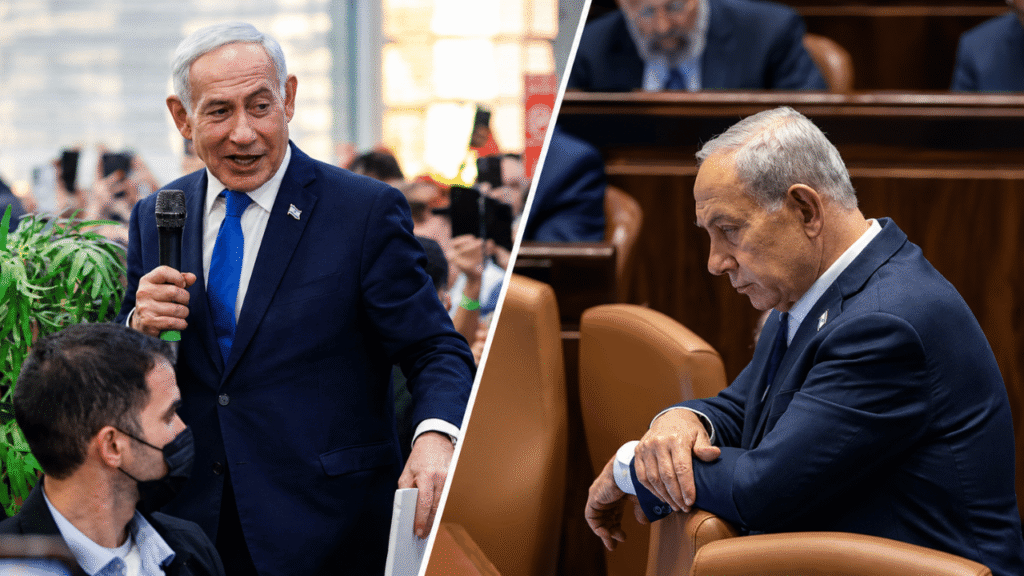
Benjamin Netanyahu faces another consequential test of political leadership as Israel approaches a pivotal election period. The outcome could shape the country’s government, security policy, economic direction, and relations with international partners.
Netanyahu, one of Israel’s longest-serving prime ministers, remains a central figure in the country’s political debate. Supporters point to his experience on national security, while critics question his government’s decisions, leadership, and handling of major national challenges.
The stakes extend beyond one politician’s future. Israel’s next governing coalition could influence domestic policy, regional diplomacy, military strategy, and the country’s approach to the Palestinian issue.
The precise election date, latest polling figures, and current seat projections need confirmation from official Israeli election authorities and reputable news organizations. Without verified current data, it would be misleading to describe a particular party as certain to win or claim that Netanyahu has already lost political support.
Why Is This Election Important?
Israeli elections can produce significant political change because governments are formed through parliamentary coalitions rather than a direct nationwide vote for prime minister.
Voters elect members of the Knesset, Israel’s parliament. Political parties then negotiate to assemble a coalition capable of commanding parliamentary support.
This system means that a party can win the largest share of votes without automatically securing the ability to govern. Coalition negotiations, smaller parties, and the distribution of parliamentary seats can determine who becomes prime minister.
For Netanyahu, the central challenge is whether his political bloc can secure enough support to form and sustain a government.
What Issues Could Shape the Vote?
National Security and Regional Conflict
Security is likely to remain a major issue in Israeli politics. The government’s handling of regional threats, military operations, hostage-related developments where applicable, and the country’s longer-term security strategy can influence voter priorities.
Netanyahu’s political standing has long been connected to his reputation on security matters. However, voters may evaluate his leadership differently depending on developments, government decisions, and their assessment of the country’s preparedness.
The latest security situation should be assessed using current reporting rather than assumptions about what voters believe.
The Economy and Cost of Living
Economic pressures can influence elections even when national security dominates public debate.
Household expenses, housing affordability, employment, taxation, public spending, and the costs associated with prolonged conflict may all affect voters’ views of the government.
The next administration could face difficult choices about funding security requirements while addressing domestic needs and maintaining economic confidence.
Government Stability
Israel’s coalition system can make governing difficult when parties disagree over policy, budgets, or political priorities.
A government that depends on several parties must negotiate to maintain parliamentary support. Disagreements within a coalition can lead to political instability or an early election.
For Netanyahu, the ability to retain the support of potential coalition partners could be as important as his party’s own performance.
Relations With International Partners
Israel’s relationships with the United States, European countries, and regional governments may also influence political debate.
Disagreements over military policy, diplomacy, humanitarian issues, and the future of the region can affect both international relations and domestic political arguments.
The election could influence how the next government balances security priorities with diplomatic pressure and efforts to maintain international support.
Who Could Challenge Netanyahu?
Netanyahu’s opponents include political figures and parties with different positions on security, governance, economic policy, and relations with the Palestinians.
The strength of any challenger depends on several factors, including party coordination, polling trends, candidate popularity, and the ability to assemble a viable coalition.
Opposition parties may seek to present an alternative government by emphasizing dissatisfaction with the incumbent administration. However, opposition support does not necessarily translate into a parliamentary majority if parties cannot agree on coalition arrangements.
A reliable assessment of the contest requires current polling and confirmed party positions. Without those details, naming a clear front-runner would be premature.
How Israel’s Election System Works
Israel uses a proportional representation system for elections to the 120-seat Knesset. Voters select party lists, and seats are allocated according to the electoral rules, including a minimum electoral threshold.
Because no single party has consistently been able to govern alone, coalition building is central to the political process.
The practical result is that election night may not immediately determine who will become prime minister. Negotiations between parties can continue after the vote as leaders seek sufficient parliamentary backing.
For observers, this means the number of seats won by each bloc and the preferences of smaller parties can be just as important as which party finishes first.
What Could Happen if Netanyahu’s Bloc Wins?
If Netanyahu’s political bloc secures enough support to form a government, he could seek to continue his policy agenda, subject to coalition negotiations and parliamentary constraints.
The composition of the coalition would matter. Different partners could push for changes in security policy, religious and social legislation, budget priorities, and judicial or institutional reforms.
Even a victory would not necessarily eliminate political divisions. The government would still need to manage competing demands, security challenges, and economic pressures.
What if the Opposition Forms a Government?
If Netanyahu’s opponents can assemble a parliamentary majority, Israel could see a change in leadership and policy direction.
A new coalition might seek to revise government priorities, alter diplomatic approaches, or introduce domestic policy changes. The scale of any shift would depend on the parties involved and the compromises required to keep the coalition together.
A change in government would not automatically resolve Israel’s major security, economic, or political challenges. It would instead place responsibility for addressing them on a different governing alliance.
What Happens Next?
The key developments to watch are the official election timetable, updated opinion polls, party announcements, campaign commitments, and any changes in coalition alignments.
After voting, the distribution of Knesset seats and coalition negotiations would determine which political bloc has the best chance of forming a government.
Until the election result and parliamentary arithmetic are clear, the most accurate conclusion is that Netanyahu’s political future depends on voter support and his ability to secure a workable coalition.
The Bottom Line
Benjamin Netanyahu’s position in Israeli politics makes the coming election an important test of leadership and coalition strength. Security, economic pressures, government stability, and international relations could all influence the result.
But the outcome should not be predicted from the headline alone. Verified polling, official election information, and the final distribution of Knesset seats will be essential to understanding what the vote means for Israel’s political future.
Sources
- Israel’s Central Elections Committee
- The Knesset — Israel’s Parliament
- Reuters — Israel News
- Associated Press — Middle East News
Read More: Why Gyanesh Kumar Is Being Mentioned With the Cockroach Janta Party