Qatar Calls for Peace and Security to Boost Trade and Attract Investment
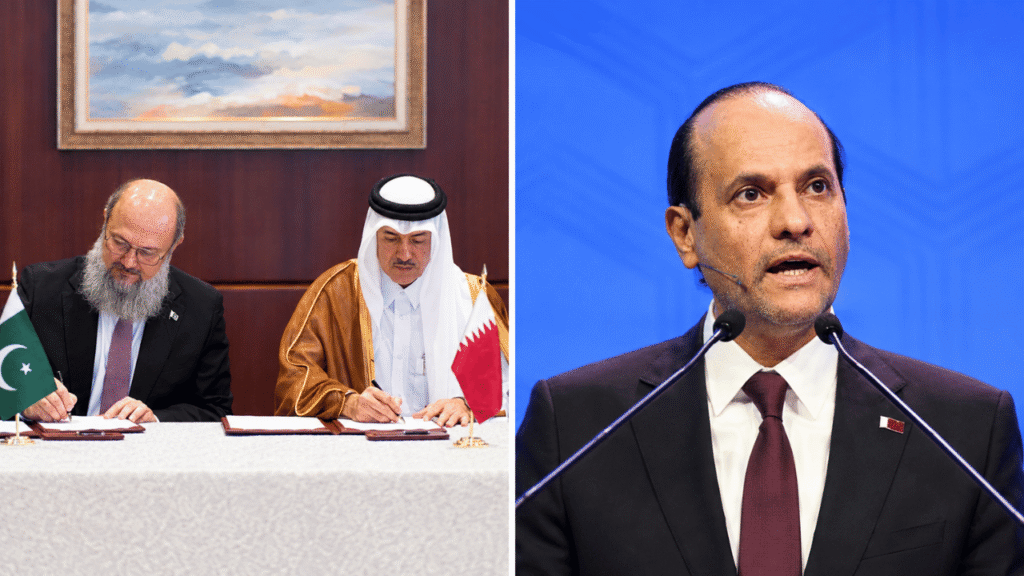
Qatar official calls for peace and security to boost trade, investment
Qatar Calls for Peace and Security – Qatar is emphasizing the importance of peace and security in supporting international trade, attracting foreign investment, and strengthening long-term economic growth. For an economy seeking to expand its global business relationships and diversify beyond energy, a stable regional environment can help build investor confidence, support commercial partnerships, and encourage cross-border investment.
The connection between security and economic development is particularly important in the Gulf, where energy exports, international shipping, aviation, financial services, and infrastructure projects link regional economies to global markets. Political uncertainty and regional tensions can increase business costs, disrupt trade routes, and make investors more cautious about committing capital.
However, the specific statement behind the headline, including its date, speaker, and immediate diplomatic context, could not be independently verified for this article. The broader economic relationship between peace, trade, and investment provides the context for understanding Qatar’s position.
Why Does Qatar Link Peace With Economic Growth?
Peace and security are important conditions for sustained economic activity. Businesses need predictable operating conditions, reliable transport networks, enforceable contracts, and confidence that their investments will remain commercially viable.
When geopolitical tensions increase, companies may face higher insurance premiums, shipping delays, rising energy costs, and uncertainty over future demand. These pressures can affect both domestic businesses and international investors.
For Qatar, maintaining a stable regional environment matters because its economy is closely connected to international energy markets and global trade. The country also serves as an important aviation and logistics hub, linking businesses and travelers across multiple regions.
A peaceful environment can help Qatar strengthen its commercial relationships, attract multinational companies, and encourage investors to consider projects with longer development timelines.
Nevertheless, stability alone does not guarantee investment. Businesses also evaluate regulations, infrastructure, workforce availability, market access, financing conditions, and expected returns.
How Peace and Security Can Boost International Trade
International trade depends on the reliable movement of goods, services, capital, and information. Security risks can disrupt each of these activities.
Protecting shipping and supply chains
Maritime transport is essential to global commerce, particularly for energy exporters and economies that depend on imported goods. Regional instability can threaten shipping routes, increase freight costs, and delay deliveries.
Greater regional stability can reduce uncertainty for shipping companies, exporters, importers, and logistics providers. More predictable transport conditions can help businesses plan inventories, manage contracts, and maintain delivery schedules.
For Qatar, dependable trade connections are relevant to energy exports as well as the movement of food, industrial equipment, construction materials, and consumer products.
However, the benefits depend on conditions across the wider region, since trade routes and supply chains often pass through several countries and jurisdictions.
Supporting energy exports
Energy remains central to Qatar’s international economic position. The country is a major exporter of liquefied natural gas, making reliable production, transportation, and international demand important factors in its economic outlook.
Regional security can help reduce risks to energy infrastructure, shipping operations, and commercial agreements. Greater predictability can also support long-term relationships between energy suppliers and importing countries.
Energy markets, however, remain affected by other factors, including global demand, competing supplies, commodity prices, infrastructure capacity, and changes in energy policy.
Peace can reduce certain risks, but it cannot eliminate market volatility.
Strengthening regional business relationships
Stable diplomatic relations can make it easier for countries to negotiate trade agreements, cooperate on infrastructure, resolve commercial disputes, and establish business partnerships.
For companies operating across borders, predictable relationships between governments can reduce uncertainty around regulations, market access, and the movement of goods and personnel.
Regional cooperation can also create opportunities in tourism, aviation, financial services, technology, logistics, and professional services.
Why Foreign Investors Value Stability
Foreign investment often involves substantial financial commitments that may take years to generate returns. Investors therefore consider not only the immediate profitability of a project but also the political, regulatory, and economic conditions that could affect it over time.
A stable operating environment can make it easier for businesses to assess risks, secure financing, recruit employees, and plan expansion.
For Qatar, foreign investment can support economic diversification by bringing capital, technology, specialist knowledge, and access to international markets.
Investors may evaluate several factors when considering opportunities in the country:
- Regulatory predictability: Clear rules and consistent administration help businesses plan their operations.
- Infrastructure: Airports, ports, roads, telecommunications, and industrial facilities support commercial activity.
- Market access: International connectivity can help companies reach customers and business partners.
- Workforce and skills: Access to qualified workers can influence the location of regional headquarters and specialist operations.
- Economic stability: Predictable business conditions can support long-term planning and financing decisions.
Peace and security strengthen this environment, but investors still assess the overall business case before committing funds.
Qatar’s Economic Diversification Strategy
Qatar has pursued economic diversification through its long-term development framework, Qatar National Vision 2030. The strategy seeks to develop a more diversified and sustainable economy while advancing human development, social development, and environmental considerations.
Reducing dependence on a narrow range of economic activities can help create additional sources of employment, investment, and business growth.
Potential areas for diversification include financial services, tourism, logistics, manufacturing, technology, education, and other knowledge-based activities.
A stable regional environment can support these objectives by helping businesses establish operations, build partnerships, and serve customers across international markets.
Foreign investors may also bring expertise and technology that support local capabilities and improve productivity. The long-term benefits depend on the quality of investment, the development of domestic skills, and the extent to which new projects contribute to the wider economy.
Qatar’s diversification efforts therefore require more than diplomatic stability. They also depend on effective institutions, competitive business conditions, infrastructure development, and sustained investment in people.
Which Sectors Could Benefit From Greater Stability?
Potential economic effects vary by sector and depend on market conditions and investment decisions.
| Sector | Potential benefit of greater stability |
|---|---|
| Energy | More predictable export operations and long-term commercial relationships |
| Shipping and logistics | Lower disruption risks and more reliable supply chains |
| Tourism and aviation | Greater confidence among travelers, airlines, and hospitality investors |
| Financial services | Improved confidence in regional business activity and investment planning |
| Manufacturing | More predictable access to supplies, transport, and regional markets |
| Technology | Better conditions for establishing operations and developing cross-border partnerships |
| Infrastructure | Greater willingness to evaluate long-term projects and financing commitments |
These are potential benefits, not confirmed investment outcomes. Actual results depend on demand, costs, regulations, competition, and the risks associated with individual projects.
How Regional Tensions Can Affect Investment Decisions
When geopolitical tensions rise, investors may reassess projects that depend on regional transport, energy supplies, or cross-border commercial relationships.
Some businesses may delay investment decisions until the outlook becomes clearer. Others may demand higher returns to compensate for additional risk or redirect capital toward alternative markets.
These changes can affect infrastructure projects, tourism developments, logistics operations, and businesses that rely on predictable international movement.
For Qatar, a stable regional environment can help support investor confidence and preserve the commercial advantages created by its international connectivity.
At the same time, investment decisions are influenced by global interest rates, economic growth, commodity prices, regulatory conditions, and competition from other destinations. It would therefore be inaccurate to attribute changes in foreign investment solely to peace or security.
What Qatar’s Position Means for International Businesses
The relationship between peace, security, trade, and investment extends beyond Qatar. Governments and businesses increasingly need to consider geopolitical risk alongside traditional commercial factors.
For exporters, stable trade routes can help protect delivery schedules and reduce uncertainty. For multinational companies, predictable regional conditions can support decisions about regional offices, supply chains, and long-term partnerships.
For investors, political stability is one part of a broader assessment that includes economic fundamentals, regulatory transparency, infrastructure, and expected returns.
Qatar’s emphasis on peace and security reflects the wider economic importance of maintaining conditions in which trade and investment can develop. The practical impact of such an approach depends on diplomatic progress, regional cooperation, and the implementation of policies that make markets accessible and commercially attractive.
Outlook for Qatar’s Trade and Investment
Peace and security can provide an important foundation for Qatar’s economic ambitions by supporting trade connections, strengthening business confidence, and creating a more predictable environment for investment.
The country’s long-term diversification objectives also depend on competitive industries, reliable institutions, infrastructure, and investment in human capital.
The specific diplomatic development referenced in the headline requires confirmation from an official statement or reliable news report before its timing, participants, and immediate implications can be established.
For businesses and investors, the central consideration remains whether a more stable regional environment translates into practical improvements in market access, operating conditions, and long-term commercial opportunities.
Sources
The following official resources provide background on Qatar’s economic development and international trade. They are reference links, not sources independently verified for the specific headline in this article.
Read More: Social Security 2027 COLA Update: What Retirees Need to Know About Benefit Changes