167,000+ Pounds of Meat Recalled Across the US Over False Inspection Labels
167,000+ Pounds of Meat Recalled Across US Over False Inspection Labels
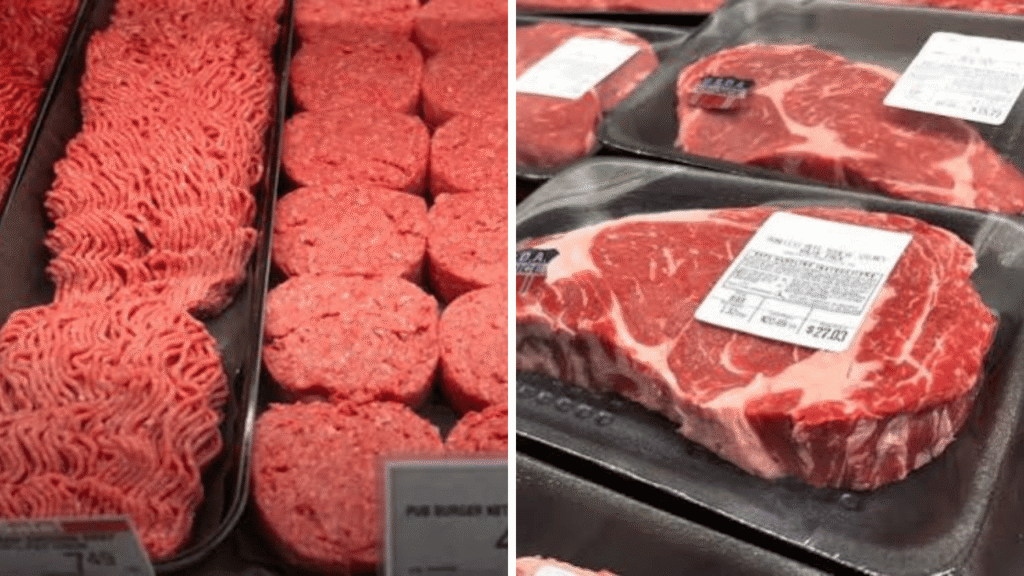
Meat Recalled Across the US – Federal officials ordered a nationwide recall of more than 167,000 pounds of beef owing to a fake inspection label issue. The recall has left consumers apprehensive because inspection marks and labels are used to show beef products have passed through the appropriate federal inspection process.
This is not a misprint on the package. Meat sold in the United States is subject to inspection and labelling rules that enable customers, retailers and authorities to identify products that have been produced under federally permitted conditions.
Consumers who have purchased products subject to recall are recommended to carefully reexamine their packages before to cooking or consuming them.
More than 167,000 pounds of meat recalled
The recalled meat was sold with phoney inspection labels, the claimed recall notification said.
USDA inspection markings are one of the most important identifiers on meat and poultry products. They prove the product was inspected under federal food-safety laws and help establish how it is regulated.
Federal regulators can take products off the market if an inspection mark is inappropriately or falsely used.
The recall is thus more on the regulatory status and labelling of the meat and not simply a run-of-the-mill foodborne illness recall.
In the meanwhile, consumers are recommended to continue to follow the recall. If the products are proved to be part of the tainted lot, they should not be consumed, according to the federal authorities.
False Inspection Label: What it means for consumers
Inspection labels are often overlooked by consumers shopping for cattle.
Most shoppers check the product name, the price, the sell-by date and the packing. Federal government-inspected meat products are identified with a mark that helps authorities trace the products along the production chain.
A counterfeit inspection stamp can make it difficult to determine whether products have been made in the manner described on their packaging.
That is why recalled meat should never be considered safe just because the carton looks OK or because it was purchased at a retailer you trust.”
The particular identifying information should be compared to the official USDA-FSIS recall announcement, not just the product name.
Do Not Eat Recalled Meat
The safest course of action for a consumer who finds meat in the refrigerator or freezer that matches the recall product information is to not eat it.
Where the shop is accepting recalled product, consumers normally have two options for the food that is recalled: they may return it to the merchant, or they may dispose of it according to the directions of the recall authority.
“Don’t ever try to see if a suspected product is safe by tasting it.
And don’t rely on cooking as a way to tell if a recalled food is safe to eat. The solution is to follow the official recalle processes.
Does this suggest you are going to get sick from the meat?
Presence of fraudulent inspection labels in a recall does not mean all the products in a recall have a pathogen or will make someone sick.
The problem discovered is the usage of fraudulent inspection labels. “This is a food safety and regulatory issue.”
However, the lack of an illness outbreak shouldn’t be a reason for people to ignore a recall. If federal agencies identify labelling, inspection, processing or other regulatory issues, they can remove products from the market. There are several reasons for recalls.
Therefore consumers should follow the instructions on their specific recall notice.
How U.S. Meat Recall Systems Operate
The USDA Food Safety and Inspection Service (FSIS) is responsible for ensuring the safety, wholesomeness and accurate labelling of federally regulated meat, poultry and egg products.
If FSIS identifies an issue, it can work with a corporation to remove involved products from the market.
A recall might involve products already purchased by consumers and products on store shelves, distributors and other companies.
The aim is to avoid possible contaminated products entering the food chain and to provide consumers with enough information to identify products they may have bought.
The importance of inspection labels
There’s more to federal inspection marks than merely making a box appear pretty.
They provide information on the status of regulatory inspections of meat and poultry products and support federal authorities in the traceability system.
Traceability is highly important when you find a problem.
If a product can be traced back to a processor, production period, lot or distribution chain officials can better target the scope of a recall and better connect with businesses and customers.
That is why regulators treat incorrect inspection labels severely. A fraudulent inspection label can jam up that system.
What Retailers and Restaurants Need to Know
The recall also includes businesses that purchase meat to resell or use in food preparation.
Food businesses, including retailers, restaurants, wholesalers and others, are urged to check their inventory against the official recall information.
Businesses should comply with the guidance of the relevant authorities and should not sell or serve recalled products where the concerned products are found.
Consumers who purchased meat from restaurants or establishments that prepare food should also check to see if the establishment has posted any information regarding the recall.
What To Do If You’ve Already Eaten Recalled Meat
If you have eaten a product that has been recalled, you should check the official recall notice to see why it has been recalled.
The recall is not because of a labelling problem that a sickness may develop.
But if you experience worrisome symptoms after eating a recalled food, seek appropriate medical assistance. People with severe or rapidly worsening symptoms require urgent medical care.
Consumers should not assume that all symptoms encountered after eating beef are associated with the recall. Many illnesses and digestive issues can have other causes.
Staying on Top of the Meat Recall
This information is subject to change and consumers should verify it through official channels and not by social media posts or reposted articles.
The official recall letters and the USDA-FSIS recall database are the principal sources of information about federally regulated meat recalls.
Consumers should check their goods against the official identifying details such as product descriptions, package information and any lot or establishment information available.
If the new notification extends or modifies the recall, you should follow the latest official information.
What Consumers Should Know About the 167,000-Pound Meat Recall
The recall of more than 167,000 pounds of beef highlights why consumers should pay attention to official food-safety notifications — even when the problem is labelling, not a confirmed contamination event.
False inspection labels can cause doubt about the regulatory status and traceability of affected products. The purpose of a recall is to remove specific products from the marketplace and to provide information to customers that they may use to identify them.
The most important measure for shoppers is simple: Look at the official recall identification information and compare it to any meat already purchased. Don’t eat the products that are affected.
Consumers should also not assume that all meat from the same retailer, brand category or type of product is involved. Recalls typically relate to a specific product or production details.
Read More: Bitcoin Slips Under $86K as Money Moves Into BCH and ZEC