Federal Reserve Raises Interest Rates by 25 Basis Points as Inflation Remains a Concern
Federal Reserve News
Federal Reserve Raises Interest Rates – The Federal Reserve lifted its benchmark interest rate by a quarter percentage point to a target range of 3.75%-4.00% for the federal funds rate on Sept. 16, 2026. It was the first raise in U.S. rates in 2023 as officials remain caught up in wrestling with inflation that is over the central bank’s 2% long-term target.
Borrowing costs are a crucial consideration for mortgages, credit cards, corporate loans and financial markets, so investors, businesses and consumers have been watching the Fed’s interest rate decision closely.
Fed News The Fed’s move to raise interest rates
The move comes following a series of GDP and inflation data that came in above consensus for many weeks.
An earlier Reuters poll had shown 85% of economists expected a 25-bps raise Markets were also strongly positioned for the move.
The outlook has become harsher with higher energy prices. Oil prices were over $100 a barrel at the time of the September meeting but there are worries that rising energy prices could keep consumer prices high.
The latest economic figures also suggested robust consumer growth. “Retail sales jumped 1.2 percent in August and core retail sales rose 1.4 percent, according to Reuters.
But the Fed’s move also has implications for the federal government. Higher rates may affect the Treasury’s costs of borrowing and the overall financial outlook.
The prognosis for Fed policy Powell
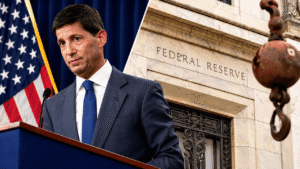
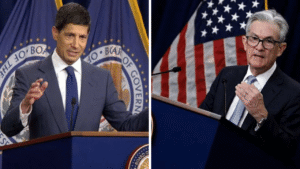
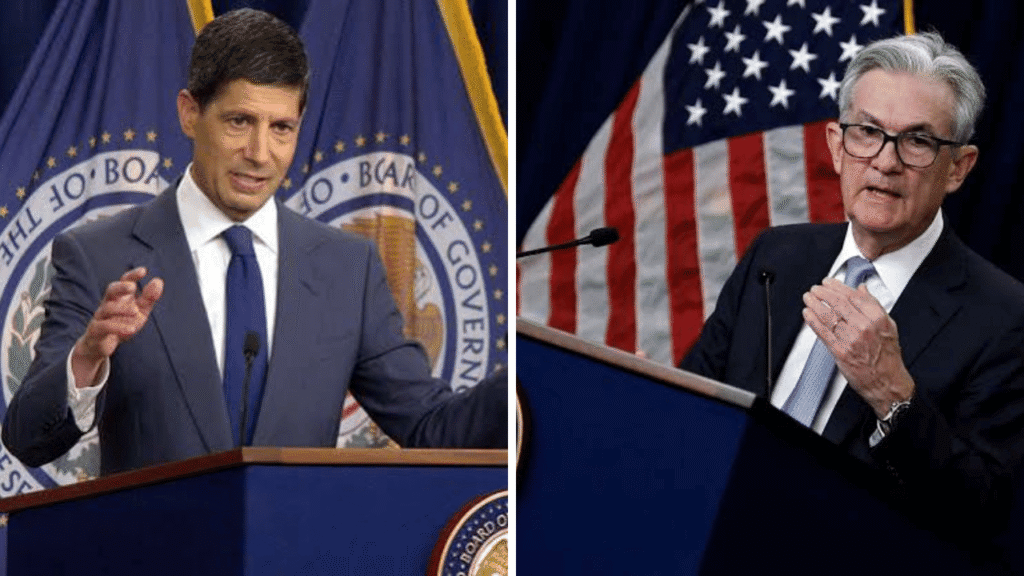
The September move is the first rate hike under the Federal Reserve’s new chairman Kevin Warsh, who took over the reins of the national bank in 2026. The updated forecast meant another quarter-point increase by year-end, but any further hikes would depend on economic indicators, Reuters added.
This means investors will be focusing on future inflation, employment and economic growth data rather than looking for another rate hike at each Fed meeting.
The Federal Reserve calendar shows the next FOMC meeting is October 27-28, 2026, with one more meeting scheduled for December 8-9.
If you are wondering when the next Federal Reserve meeting is, the next policy meeting on the calendar is the October 27-28 meeting.
What the Fed’s Rate Hike Means for Consumers
A higher federal funds rate does not mean we’ll see all consumer interest rates go up by 25 basis points. But the Fed’s policy affects borrowing costs throughout the financial industry.
Tight monetary policy can push up rates on credit cards, some business loans, and other floating-rate products. Federal Reserve actions do affect total interest rates . But mortgage rates are more correlated with longer term treasury yields and other market considerations .
For savers, higher rates could also mean a better return on some deposits and other interest-bearing instruments, depending on the individual banks and financial institutions.
Will the Fed decrease interest rates? That’s the million-dollar question right now.
For much of the year leading up to September, investors have been looking for the Federal Reserve to possibly lower interest rates. The latest hike tells its own story, a reflection of the Fed’s continued fears about inflation.
Federal reserve interest rate lowering searches are hot and federal reserve searches may reduce interest rates as markets try to figure out when the tightening cycle may ultimately end.
But the September decision cannot be the only measure of a future cut. The Fed will keep watching inflation, employment and other economic factors at each meeting.
What is the Fed’s job?
The Federal Reserve Board of Governors and the Federal Open Market Committee are among the most powerful players in monetary policy in the United States. The FOMC sets a target range for the fed funds rate. The Federal Reserve System is larger and has regional institutions such as the Federal Reserve Bank of New York and the Federal Reserve Bank of Chicago.
Fed is short for Federal Reserve which is the central bank of the United States.
The Federal Reserve Bank of New York plays a special role in the formulation of monetary policy and in the implementation of policy in the money markets. The Federal Reserve System consists of 12 regional Reserve Banks. The Chicago Fed is one of those.
So what about the Fed’s unrealised losses?
Another popular search term related to the Federal Reserve is federal reserve unrealised losses. Much of the losses are from declining value of securities on the Fed’s balance sheet as interest rates climb.
This is not the same as the Fed raising or decreasing the target federal funds rate. The September rate decision was more about monetary policy and the central bank’s view of inflation and the economy.
The September interest rate announcement and the red banker, federal reserve firm and money museum at the Federal Reserve Bank of Chicago are two separate things.
Upcoming FOMC Interest Rate Meeting
The Fed’s next meeting is slated for Oct. 27-28, 2026. The Federal Reserve’s calendar has a September meeting Sept. 15-16 and a December meeting Dec. 8-9.
The next decision gives investors another chance to weigh whether inflation is cooling enough for officials to stay their hand, or whether more tightening is on the table.
The September rise leaves the federal funds rate target at 3.75%-4.00% for now as inflation and oil prices remain in focus for the U.S. economy.
Sources
- Federal Reserve – FOMC Meeting Dates and Policy Decisions.
- Reuters – Fed rate decision impacts markets. 16 Sept 2026.
- Reuters – Economists eye U.S. retail sales, inflation numbers ahead of September meeting
Read also – Rate Hike by Fed Now Likely on Wednesday, Economists See Another Hike Coming