Sensex and Nifty Surge 2% as Indian Stock Market Rally Continues and Rupee Strengthens
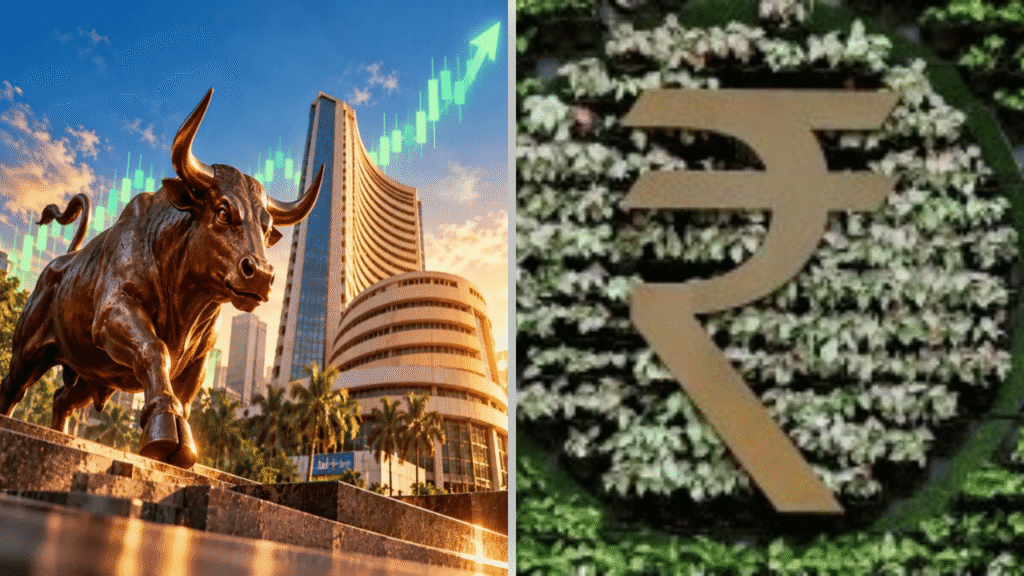
Sensex and Nifty
The Indian stock market is under the microscope with news that the Sensex and Nifty were up by almost 2% as the market rally continued and the Indian currency strengthened. A wide-based rise in benchmark indices and strengthening of the home currency could mean improving investor mood but the reasons behind the move need to be investigated using verified market data.
The important questions for investors are what drove it higher, which sectors led the gains and whether the pace can be sustained. Another key factor is performance of rupee, since currency changes can effect import costs, returns from overseas investments as well as prospects for firms with substantial international exposure.
Before going to press, real transaction dates, closing index levels, percentage gains and rupee exchange rates should be checked against official market data.
Why Sensex and Nifty are touching new peaks
The BSE Sensex comprises of 30 big companies listed on the Bombay Stock Exchange. The NSE Nifty 50 is an index of 50 large-cap businesses listed on the National Stock Exchange. Both are crucial performance measures for the Indian stocks market.
A 2% move in each index would be a big move in a day. These improvements could potentially boost mood among investors and increase the value of shares portfolios. This will depend on the specific holdings.
But when you get a market rally headline you wonder if the gains were broad or simply a handful of big-name stocks. Market breadth, trading volume, sector performance and participation of domestic and foreign investors could indicate the strength of a move.
What is fueling the Indian stock market rally?
There are a lot of reasons why Indian equities might soar sharply. These include improved global markets, higher expectations of corporate profitability, changes in interest rate assumptions, more domestic investment and renewed buying by foreign investors.
Crude oil prices and global economic developments also affect Indian equities. India is a big importer of crude oil and so a sustained reduction in oil prices could ease pressure on the import bill and inflation, depending on the broader economic environment.
But these are theoretical market factors, not proven reasons for the rally suggested in the headline. To find out the genuine catalyst, one should look at the market reports of the relevant trading session, sectoral performance and investor-flow information.
Rupee rallies: Currency traders are watching for
Market action gets additional dimension with the reported firmer Indian rupee. The value of the currency vs the dollar is essential to importers, exporters, foreign investors and firms involved in international trade.
All else being equal, a stronger rupee can lower the rupee price of imported goods, especially commodities priced in dollars. Some import-dependent businesses, especially those sensitive to the global costs of energy and equipment, could benefit.
But the result is different. A stronger rupee might erode the value of global income when converted to Indian currency, hurting some exporters and information technology companies.
Other factors influencing movements in a currency include the strength of the US dollar, crude oil prices, foreign investment flows, interest rate expectations and Reserve Bank of India policy. “So it is important to look at rupee rise along with dollar index, bond yields and performance of broader emerging market currencies,” he said.
What Investors Should Keep an Eye On
Whether the rally in Sensex and Nifty is sustainable or not would depend on market conditions for further gains. Investors should follow corporate earnings, international portfolio investors’ activity, domestic institutional buying, crude oil prices, and global market movements.
Another important indicator is the movement of the rupee especially if the currency swings are indicative of a change in foreign capital flows or expectations on the Indian economic outlook.
Investors also have to distinguish between a short-term bounce and a sustained market rally. A great session doesn’t ensure the market will follow through on that rise and big gains can run into profit-taking or higher volatility.
The best investment decisions are based on an investor’s financial objectives, time frames and risk tolerances, not any one day’s market activity.
Where to see Sensex, Nifty and rupee info
Sensex data may be found on BSE website, Nifty levels on NSE India website and official currency and exchange-rate data on Reserve Bank of India.
A decent report will show the date of trade, prior close, last close, change in percentage and movement of rupee against US dollar, he said. It should also identify the primary sectoral contributors and separate out the confirmed market catalysts and expert opinions.
The bottom line
Markets rallied 2% with Sensex and Nifty gains and a strengthening rupee. This is a market trend worth taking a closer look at. How important the move is will depend on why it is happening, how much people own stocks and if the currency keeps rising.
Investors should not accept the headline as a sign of a prolonged market move until the actual session figures and catalysts are validated. The most reliable approach to know what has happened and what it may mean for the Indian markets is through credible financial reporting and official exchange figures.
Read More: Social Security 2027 COLA Update: What Retirees Need to Know About Benefit Changes